
5 Post Types, Always Fresh
Each post type helps you connect with your community in a different way. All grounded in your neighborhood, all written in your voice, all generated in real-time.
Today's Tip: Teaching Without Selling
Share one specific, actionable technique your customers can use immediately. Not vague advice—practical instruction grounded in your craft.
What Makes Tips Work
Most social media tips are generic platitudes. "Stay hydrated!" "Listen to your body!" Everyone says the same thing.
Shoreline Today's Tip mode teaches specific techniques from your actual practice—the micro-adjustments, timing windows, and observable cues that separate good results from great ones.
Each tip follows a tight structure: state the action → show what happens → done. No motivation, no life coaching. Just the technique.
Why this works:
Voice Recommendation:
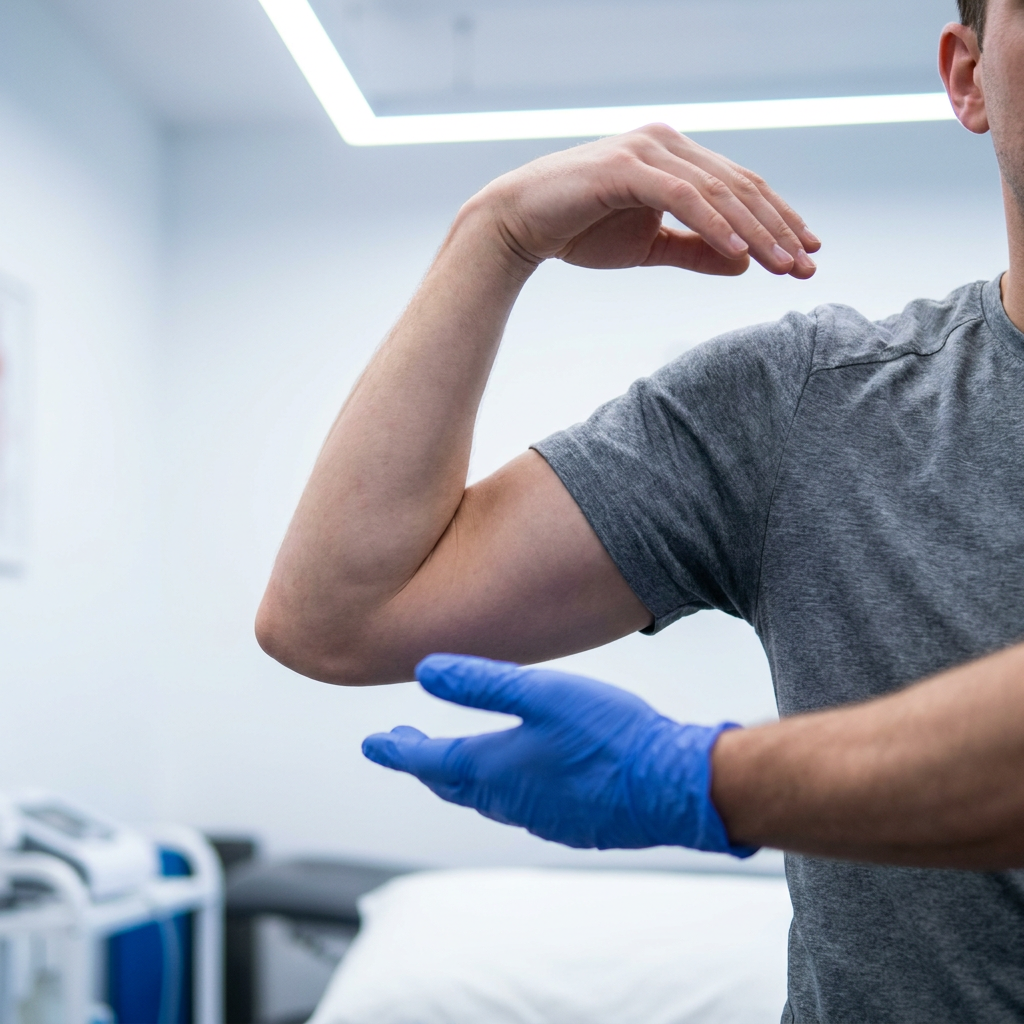
When you return to movement after time off, start with half the range of motion you think you need. Your nervous system reads full range as permission to load it immediately. By moving through 50% of what feels available, you're signaling "this is safe," which lets your tissues adapt without triggering protective tightness. Do this for 3-4 days before expanding. At our clinic, we see this pattern every spring as patients resume outdoor activity after winter. You'll feel less stiff, not more.
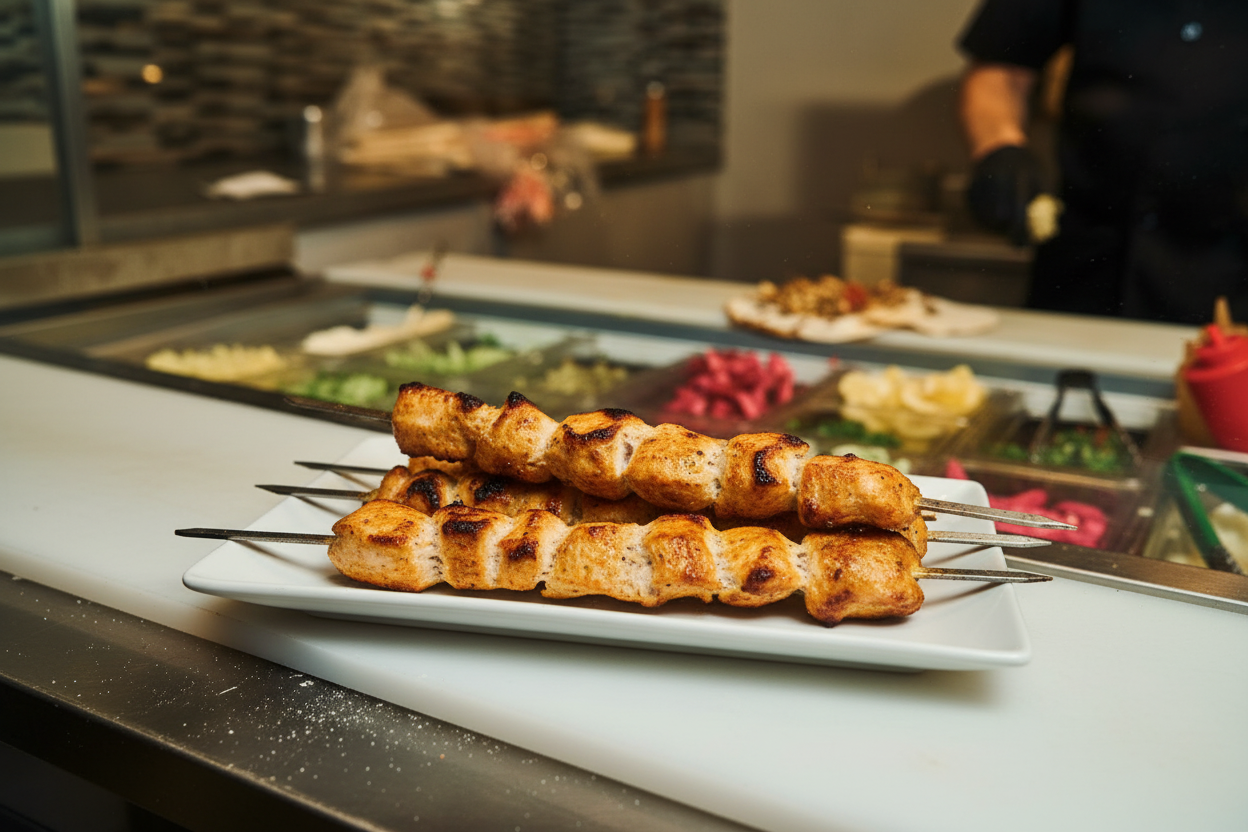
When you're threading shish tawook onto the skewer, grab chicken breasts that are all the same size and thickness. Uniform pieces cook at the same rate—the thin edge and thick end both hit that golden char at the exact same moment. Uneven breasts mean you're either pulling thin pieces off early or waiting for thick ones to catch up, and by then the thin ones are dry. We size-match at the counter before they go on the flame. Takes a minute, saves the whole plate.
Works Across Industries
Tips work for any business where technique matters. If there's a better way to do something—a timing window, a micro-adjustment, an observable cue—Shoreline turns it into teachable content.
Bakeries
"When scoring sourdough, hold your blade at 30 degrees, not vertical. The shallow angle creates an ear that lifts during baking. Vertical cuts seal flat. The difference is in the angle before the oven, not what happens inside it."
Personal Training
"Before increasing weight, check your bar speed on the concentric phase. If the bar slows in the middle third of the lift, you're not ready. Speed consistency across the full range means your nervous system can handle more load."
HVAC
"When checking refrigerant charge, measure superheat at the evaporator coil, not just at the compressor. A 5-degree difference between the two points means you have a restriction in the line. The compressor reading alone won't show it."
When to Use Tips
Use Tips to show a technique, timing window, or observable cue that most people miss. Perfect for teaching the micro-adjustments that separate good results from great ones.
Tips work best for businesses where how you do something matters as much as what you do—where small adjustments create measurable differences. If you find yourself saying "here's the trick" or "most people don't notice this," that's a tip.
Behind the Curtain: The Work Nobody Sees
Show a specific moment happening inside your work that customers rarely witness. Not explaining why it matters—just capturing what's happening right now.
What Makes Behind the Curtain Different
Most "behind the scenes" content is staged or summarized after the fact. "Here's how we make X!" with finished-product photos.
Shoreline's Behind the Scenes mode captures one operational moment happening right now—present tense, mid-work, showing what you're checking, adjusting, or noticing that customers never see.
No teaching. No explaining why it matters. Just the observation itself—like you paused for 20 seconds to type what's happening.
Why this works:
Voice Recommendation:
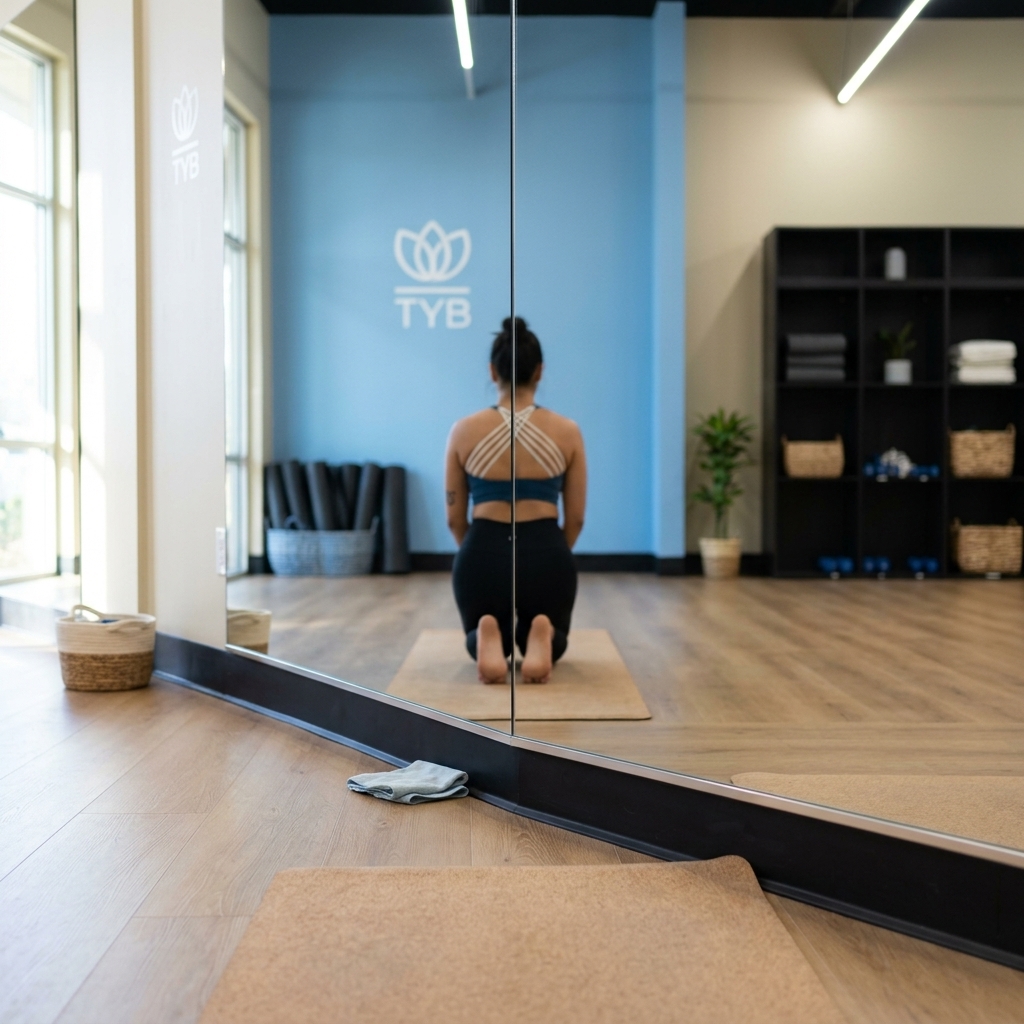
The mirror's edge catches fingerprints from this morning's class. I'm moving along the length of it with a microfiber cloth, watching the light shift across the surface as I go—pushing out smudges, checking the angle of reflection against the floor line where people will stand. The studio's bright and clear right now, quiet before bodies come back in. I step back. The reflection needs to be true. When someone's holding a pose, grounding into their foundation, the mirror shows them exactly what's happening—spine stacked, shoulders settled, weight distributed. A smudged surface steals that feedback. So I keep moving, cloth in steady passes, until the glass gives back a clean line again. Ready. 🧘♀️✨
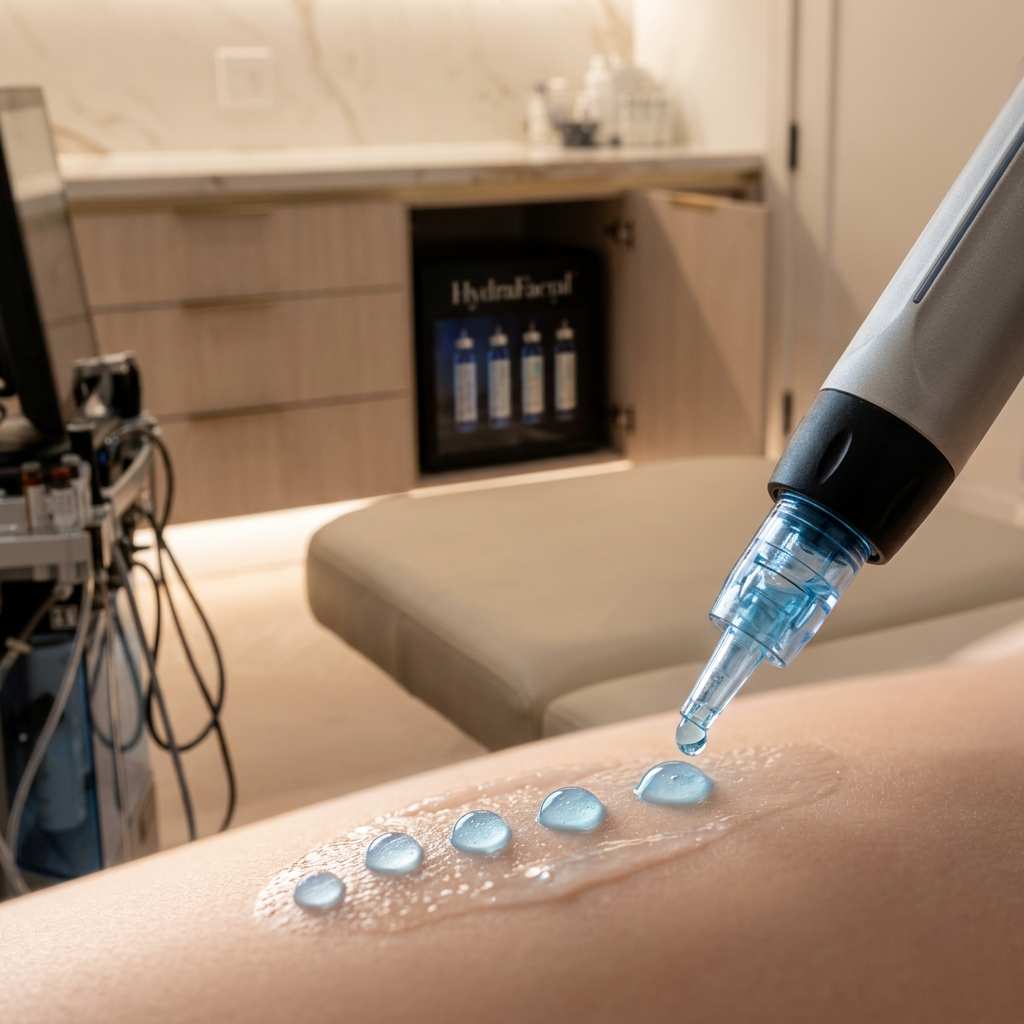
We keep our HydraFacial serums stored upright in a cool, dark cabinet away from direct light. When these vials stay vertical, the concentrated actives—peptides, hyaluronic acid, antioxidants—remain stable and settle properly. Horizontal storage or exposure to heat and light degrades them faster, so you're applying weakened formulas that won't deliver the results the treatment promises. Store upright. Keep it dark and cool. The serum performs exactly as designed.
Works Across Industries
Behind the Scenes works for any business where the work happens before customers see the result. Prep work, quality checks, mid-process adjustments—moments that show craft without explaining it.
Coffee Roasting
"7:15 AM. The Ethiopian beans hit first crack at 396°F. I'm watching the roast development through the sight glass—color's shifting from cinnamon to milk chocolate. Twenty seconds until I drop them. The window between bright acidity and flat bitterness is about forty-five seconds. I can hear the second crack starting."
Auto Repair
"The Honda Civic's on the lift. I'm checking the brake fluid reservoir—it's dark, almost black. Should be amber. This tells me the system's been overheating. I drop down, pull the rear wheel. The caliper piston's seized. Not just worn pads—the whole assembly needs replacing. The quote just changed."
Flower Shop
"5:30 AM. The peonies arrived from the wholesaler still closed tight. I'm checking stem firmness—if they're too soft, they won't open properly. These are good. I recut each stem at a 45-degree angle underwater, strip the lower leaves. Into the cooler at 2°C. By noon, they'll be ready for arrangements."
When to Use Behind the Curtain
Use Behind the Curtain when you want to show the work that happens before customers see the result. Perfect for prep work, quality checks, mid-process decisions, and operational moments that reveal craft without explaining it.
Behind the Curtain works best for businesses where invisible work matters—where the quality of what customers receive depends on decisions and adjustments they never witness. If your work has a "before the doors open" or "between orders" phase, that's Behind the Scenes territory.
Community Moment: The Patterns Your Regulars Leave Behind
Describe a recurring pattern you've noticed in your space—what customers do, where they settle, how they use specific spots in the room. Not atmosphere. Not feelings. The specific behavior that keeps happening.
What Makes Community Moment Different
Most "community" posts tell you how it feels. "Love our regulars!" "Such good energy in here today!" Mood statements that could apply to any business anywhere.
Shoreline's Community Moment mode captures a specific recurring pattern—what a particular customer always does, where a group consistently settles, what keeps happening at a specific spot in your room. Actions, positions, small gestures. The belonging comes through in the behavior, not the words.
No interpreting emotions. No naming the atmosphere. Just the pattern itself—described the way someone who's watched it happen a hundred times would describe it.
Why this works:
Voice Recommendation:
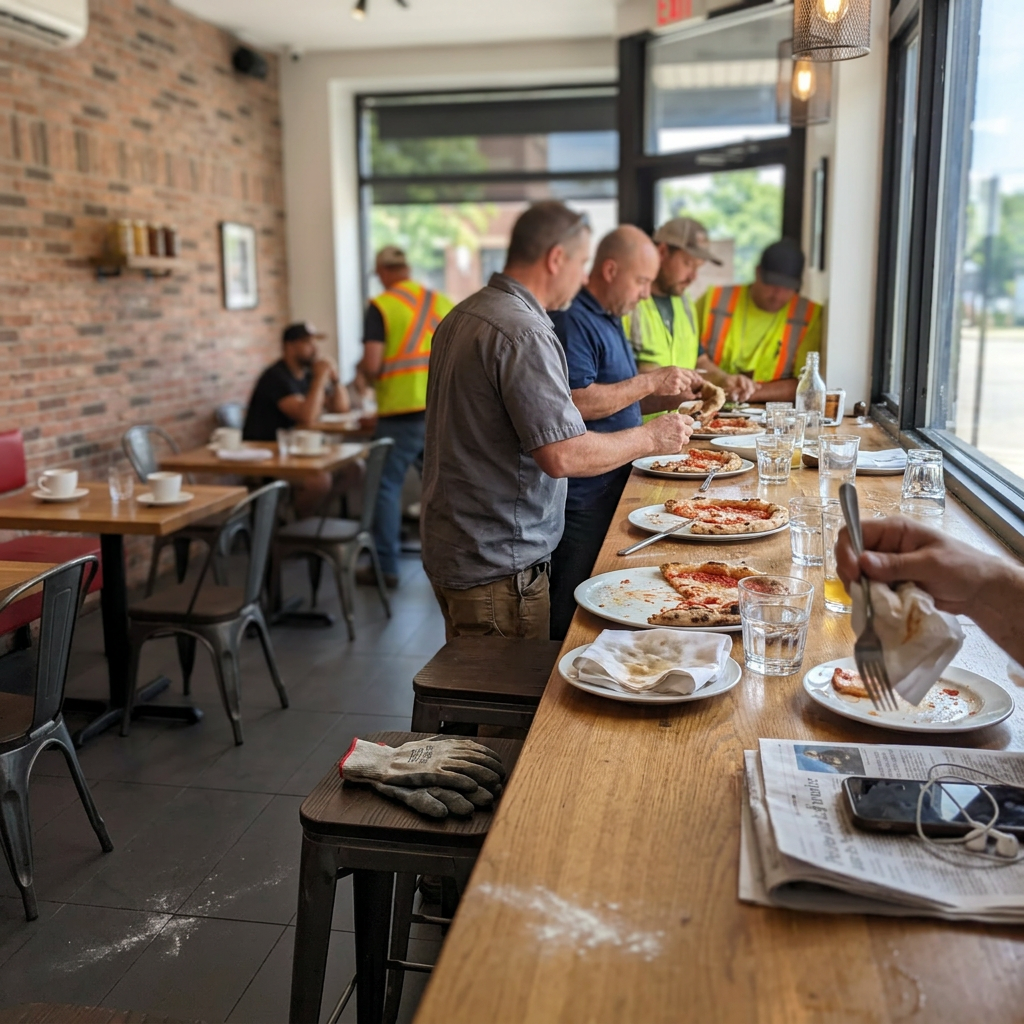
There's a rhythm to the counter during lunch. By 12:30, the five stools fill up with the same faces—people in work shirts, construction vests, the occasional delivery driver. They order, eat standing at the high top, shoulders angled toward the window and the street beyond. Forks in one hand, napkin in the other. I've started noticing none of them sit. Even when seats open up behind them, they stay planted at the counter, facing out. Last Tuesday someone pulled up a stool to join a regular, and within two minutes they were both turned back toward Lake Shore, eating without talking much. Eyes on the road.
By 3 o'clock on Thursdays, the two armchairs by the windows shift. Shopping bags settle on the light wood floor, designer handles catching the afternoon light. Same pattern every week—someone sits, sets their phone face-down on the side table, and doesn't touch it for twenty minutes. Sometimes two people claim both chairs at once, bags lined up like checkpoints between them. They're not waiting. They're stopping. There's something about that stretch of window view and the quiet that makes people pause mid-afternoon, mid-errand, and just sit.

Works Across Industries
Community Moment works for any business with regulars—where people develop habits around your space. Coffee shops, salons, studios, bookstores, taprooms—places where customers return often enough that you start to notice their patterns.
Bookstore
"The armchair by the poetry shelf fills up by noon on Saturdays. Same rotation—someone reads for an hour, leaves, another person takes it within ten minutes. Nobody coordinates this. By 2 PM the seat's been through four or five people and nobody's spoken to each other once."
Hair Salon
"Every Friday a regular comes in, sits in the same chair, and catches up with whoever's next to her—even if she's never met them. By the time her color's setting she knows where they work, what they're doing that weekend. The dryer goes on and she keeps talking through it."
Brewery Taproom
"Thursday evenings the same four people take the end of the long table. They don't reserve it—they just show up and it's open. Been happening for months. One of them always brings a board game that never gets opened. It stays in the bag the whole time."
When to Use Community Moment
Use Community Moment when you want to show something your customers consistently do—not a one-off, but a pattern that keeps repeating. A regular who always takes the same seat. A group that claims the same table every week. The way people use a specific part of your space that you never designed for that purpose.
If you find yourself thinking "it's funny, every time..." or "there's always someone who..."—that's Community Moment territory. The post writes itself once you've named the pattern.
Promotion: Soft-Sell Invitations
Show work happening right now, then mention what's available. No hype, no urgency tactics—just observation connected to offer.
What Makes Promotions Work Without Feeling Pushy
Most promotional posts sound like sales pitches. "AMAZING DEAL!" "Limited time only!" "You'd be crazy to pass this up!"
Shoreline's Promotion mode uses a two-part structure: (1) observe work happening right now that relates to the offer, (2) state what's available factually. The connection is logistical, not philosophical—"this work is what's being offered" rather than "this work shows why the offer is valuable."
No building up to a pitch. No inspirational framing. Just: this is happening, this is what's available.
Why this works:
Voice Recommendation:
Right now it's 2:30 on a Wednesday and the shop is humming quietly. Our barista just pulled a beautiful shot, and there are fresh lemon scones cooling on the rack from this morning's bake. Everything's ready to go—we're just not slammed like we are at 8 AM or after school pickup. So we're running a weekday special from 2-4 PM: any pastry plus any drink for $8. That's the same butter croissant and cappuccino that would normally run you $11. Kitchen's hot, espresso machine's dialed in, and we've got the space to actually chat while we make your order. Swing by if your afternoon needs a reset.
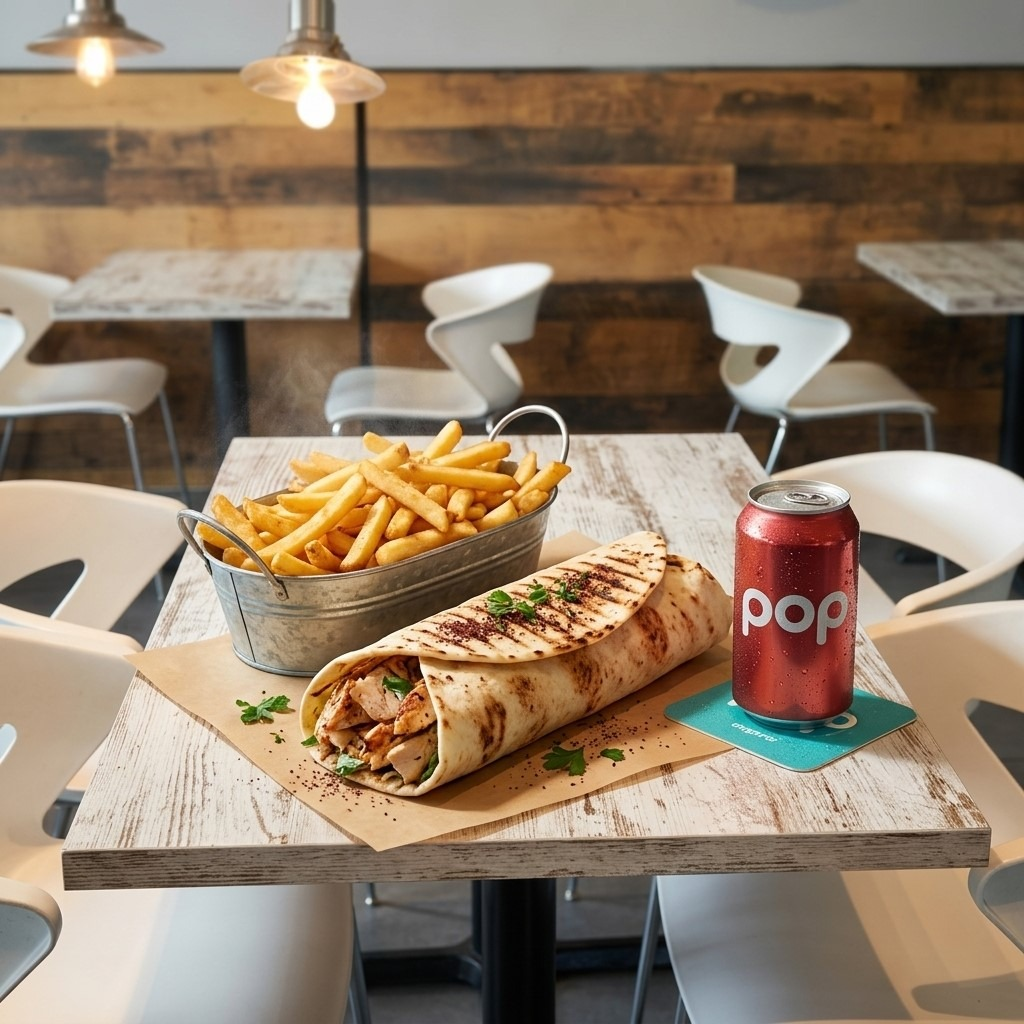
Thursday afternoons, we see the same thing: people swing by between work and whatever's next, looking for something solid that doesn't demand much thought or budget. We're running the Thursday Special every week, 11:45 a.m. through 9:59 p.m. Chicken shawarma wrap, fries, and a pop—$12.99. That's it. No complications, no upselling. Stop by this Thursday, we are on Dundas St.
Works Across Industries
Promotion works for any business with offers, specials, or packages to share. The key is connecting observed work to availability—not selling, just mentioning what's there.
Barbershop
"Tuesday and Wednesday mornings have been quiet lately—chair's open, tools are ready, but we're not booking solid until after lunch. So we're running a mid-week special: full service (cut + hot towel shave) for $55, normally $65. Those morning slots, 9 AM to noon."
Yoga Studio
"Our 6 AM classes have space right now—usually packed in January, but March mornings are quieter. The room's heated, instructor's there, everything's ready. We're offering a 5-class intro pack for $60 (normally $85) for morning slots only. Good way to test the early schedule."
Auto Repair
"Winter's ending, which means we're switching from snow tire removals to spring maintenance checks. Oil change + brake inspection + fluid top-up for $89 (normally $110) through April. The bay's ready, parts are in stock. Book any weekday before noon."
When to Use Promotion
Use Promotion when you have an offer, special, or package to share—but you want it to feel like a mention, not a sales pitch. Perfect for slow time windows, seasonal specials, intro packages, or bundled services.
Promotion works best when there's a logical connection between the work and the offer—the kitchen's running during the quiet window, so that's when the special runs. The timing makes operational sense, not just marketing sense.
Local Event: Neighbourly Mentions
Notice a pattern at your business, then casually mention a related local event. No hype, no community preaching—just neighborly conversation.
What Makes Local Event Posts Work
Most businesses either ignore local events or over-hype them. "Support your community!" "Don't miss this incredible gathering!"
Shoreline's Local Event mode is casual and conversational—like mentioning something to a regular customer. Two-part structure: (1) notice a pattern at your business, (2) mention the related event. The connection is associative (timing or topic), not philosophical.
No building up to the event. No explaining why it matters. Just: this is happening here, this is happening nearby.
How it works: You tell Shoreline what's happening—a market, a festival, a shoutout to a neighboring business—and it writes the post around it. The AI handles the voice and observation; you supply the local detail it can't discover on its own.
Why this works:
Voice Recommendation:
Been noticing way more folks asking if we've got outdoor seating ready – there's definitely that nice-weather energy buzzing around the neighborhood right now. We're getting there with the patio setup! Speaking of which, the West End Farmers Market kicks off this Saturday at Campbell Park (8 AM-2 PM, runs through October). Perfect timing if you're in that spring mood and craving some fresh local stuff. Might swing by ourselves for some produce.

Fridays have been picking up. More groups coming in after 7 PM, asking if we're open late. The energy shifts—people aren't rushing through lunch, they're settling in for the evening. Tables fill slower but stay longer. The Chinatown Night Market starts this Friday on Spadina, runs through September. Food stalls, vendors, live music along the street. We're open regular hours—kitchen runs until 10 PM if you want to stop by before or after. Worth a walk if you're around.
Works Across Industries
Local Event works for any business that's part of a neighborhood—where mentioning local happenings feels natural. Coffee shops, salons, bookstores, gyms—places where customers are locals, not just passers-by.
Bookstore
"We've been getting more questions about local authors lately—people browsing the Toronto fiction section, asking for recommendations. Word on the Street book festival is this Sunday at Queen's Park. Free all day, hundreds of publishers and authors. Worth checking out if you're looking for something new to read."
Yoga Studio
"More people asking about outdoor classes this week—spring energy is real. The Beaches Jazz Festival kicks off this weekend along Queen East. Live music every evening, runs for three weeks. Good excuse to get outside after class. We're staying open regular hours if you want to practice before heading over."
Hair Salon
"Everyone's booking for next Saturday—weddings, parties, something's happening. Turns out it's the Distillery District Spring Market opening weekend. Lots of people heading there after appointments. We've got a few Friday slots still open if you want to get your hair done before the weekend rush."
When to Use Local Event
Use Local Event when there's something happening in your neighborhood. Perfect shoutout for street festivals, farmers markets, community gatherings, cultural events—anything where your customers might be interested.
Local Event works best when there's a natural association—people asking about outdoor seating + patio season starting, more groups on Fridays + Friday night market, spring energy + summer festival.
Try All 5 Post Types with Free Credits
Sign up to get 25 free credits to explore every post type. And join the waitlist to lock your 50% off for 6 months No credit card required.
First 50 to join the waitlist get 50% off for 6 months